Headaches, tinnitus & neck tension – or could it actually be your bite?
Written by LifeDent Editorial Team

Do you know this feeling? You wake up with a dull pressure in your head that reaches all the way down into your neck. Your neck feels stiff – and sometimes there’s even a rushing or ringing sound in your ears. Sounds like too much stress? Possibly. But the cause might actually lie somewhere completely different – in your mouth!
More precisely: in your bite.
When your jaw joints fall out of balance
Your jaw is a high-performance organ – constantly in motion, precisely coordinated, heavily loaded. If something isn’t running smoothly when chewing, swallowing, or even at rest, it can throw your entire system off balance.
It only takes a small trigger: an ill-fitting crown, a crooked tooth, poorly seated dental work, or teeth clenching together like a vice at night. The muscles around your jaw try to compensate – but over time, that’s simply not sustainable.
Tension that travels upwards
The result? Muscles tighten – not only in the jaw, but throughout the entire head and neck area. Because everything is connected there: chewing muscles, neck muscles, skull joints. The tension spreads. It travels up and over your neck into the shoulders and can even reach down into the back.
And sometimes your ears get involved: with a muffled feeling, a faint ringing, or even dizziness. All of this can happen when your bite is off balance. And no – this is not uncommon.
Teeth grinding – a nightly workout with no benefit
You might be grinding your teeth. Many people do – mostly without knowing, and most often at night. In what’s known as bruxism, forces of up to 80 kilograms are applied to the jaw. You don’t notice it at first – but your muscles do. They become overloaded, irritated, and inflamed. The jaw hurts, joints click, the neck tightens.
And so begins a vicious cycle: the more stressed you are, the more you grind. The more you grind, the more tension builds. The result? Chronic headaches that painkillers alone can hardly keep in check.
Can neck pain, headaches, or tinnitus really come from your jaw or teeth?
Absolutely. Most people think of migraine, muscle tension, or circulation problems when it comes to headaches. But few know: the source can be in the teeth. The jaw is connected to the entire head area via muscles, tendons, and nerve pathways.
So if the contact between upper and lower teeth is off – for example due to a high filling, crooked teeth, or tooth loss – the whole system loses balance. And pain can show up in places you’d never link to your teeth: your forehead, temples, behind the eyes, or deep at the back of your head.
Neck pain, headaches, or tinnitus caused by dental work?
Even dental work – as helpful as it is – can cause problems if it doesn’t fit perfectly. High crowns, misaligned bridges, or loose dentures disrupt a harmonious bite. The teeth meet unevenly – overstraining the jaw muscles.
You don’t just feel it when chewing. You feel it when turning your head, sitting at a desk, or getting up in the morning. The pain is diffuse but persistent.
What can a dentist do about headaches, tinnitus, and neck pain?
The first step: find out where your symptoms are truly coming from. That requires a detailed analysis of your jaw. In a functional examination using modern technology, we don’t just check whether you grind your teeth at night – we look closely at how well your teeth, jaw joints, and muscles work together.
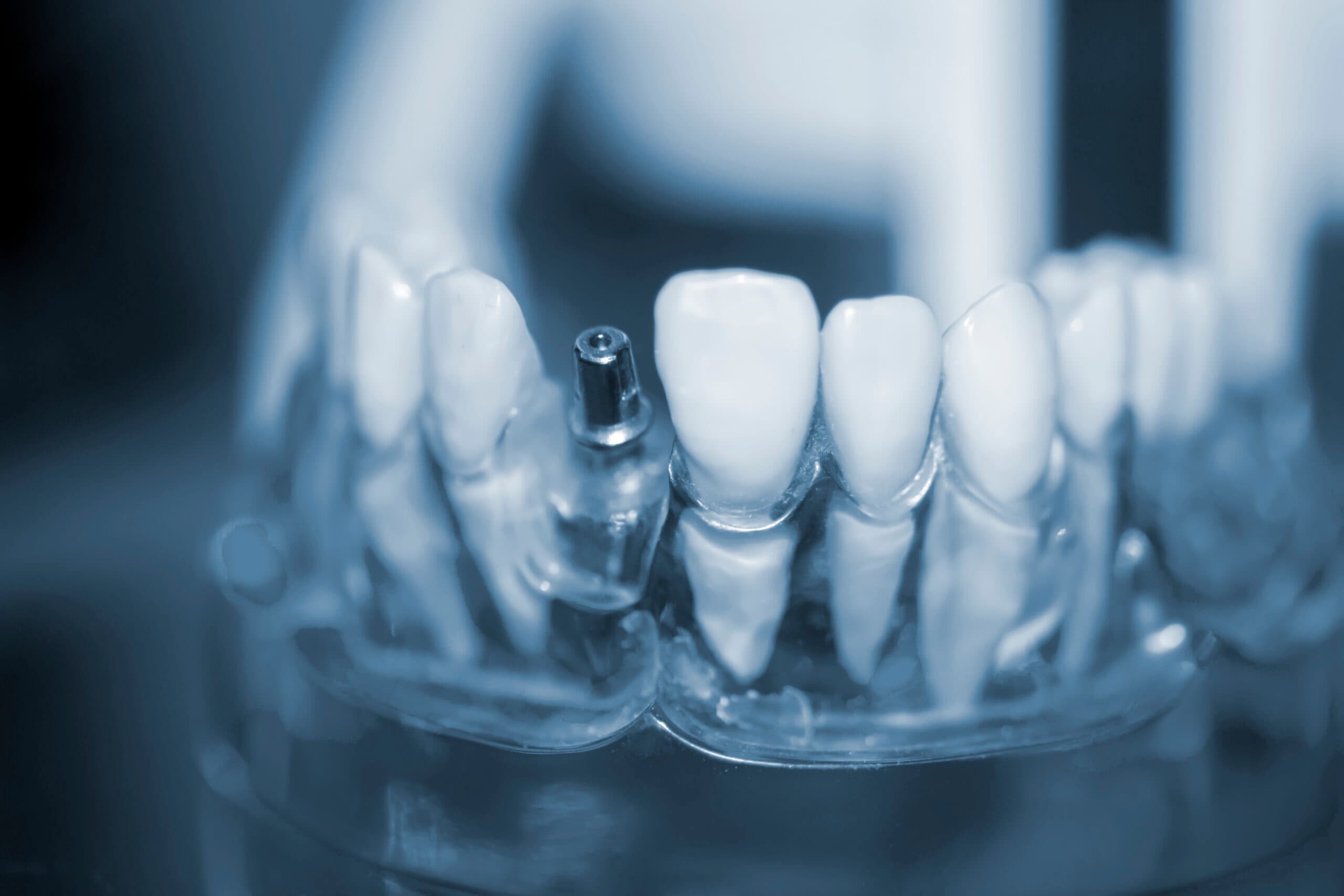
We carefully examine whether your bite is harmonious – or whether an imbalance has developed. This could be due to a tooth that stands too high, a crown that no longer fits ideally, a shifted bridge, or an implant that no longer supports the original bite height correctly.
Splints, crowns, adjustments – sometimes all it takes is a small update
If we find something unusual during the examination, there are several ways to restore balance:
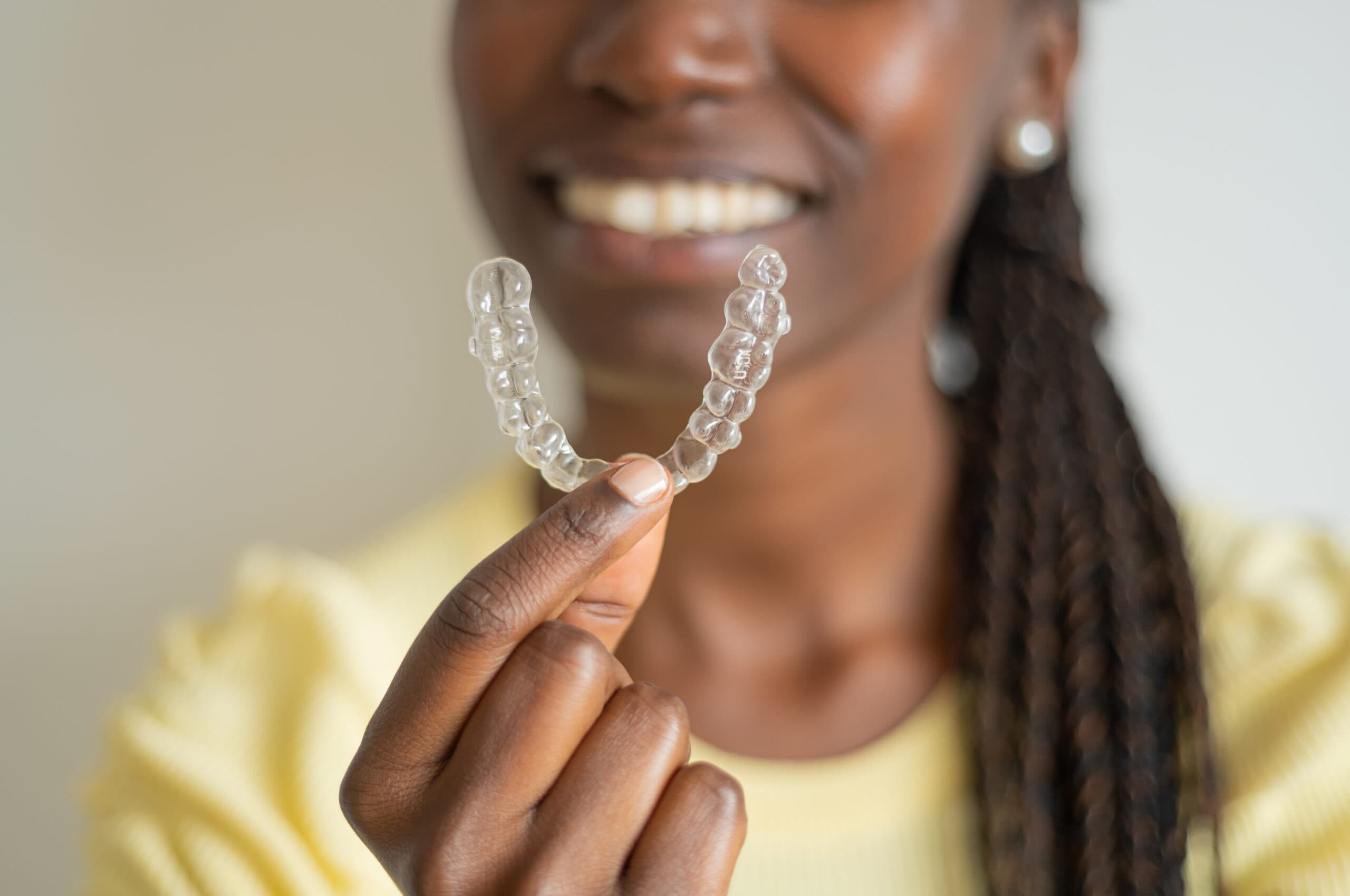
🦷 Custom-made bite splints help relieve the chewing muscles. They position the jaw so the muscles can relax – and prevent you from grinding or clenching at night.
🦷 Minor bite adjustments on certain tooth surfaces can be enough to remove specific contact points and create an even bite.
🦷 Crowns, bridges, or implants that no longer “function” ideally in the system can be adjusted or, in some cases, replaced – restoring stable jaw position and biomechanical balance throughout the head and neck.
🦷 For more extensive issues, rebuilding functional tooth surfaces with inlays, onlays, or new crowns tailored to your needs may be necessary.
Thinking – and treating – holistically
Of course, fixing the bite alone isn’t always enough when the whole body is involved. That’s why additional physiotherapy can help: targeted muscle relaxation, manual therapy, posture training.
Stress management is also key. Emotional strain often shows up physically – especially in the jaw. Mindfulness, breathing exercises, and physical activity can all help release tension. After all, less pressure on your mind often means less pressure on your jaw.
If you’re in pain, think about your teeth too
Headaches, neck pain, tinnitus – they don’t have to be your constant companions. Sometimes all it takes is a look inside your mouth to find the root cause.
Your jaw is more than just a chewing tool – it’s part of a finely tuned system. If something is off there, it can show up in surprising ways. And once you understand this connection, you can take targeted action.
At LifeDent, we take the time for you. With modern diagnostics, a holistic approach, and years of experience, we examine whether your bite might be the hidden trigger.