Dry mouth, snoring, teeth grinding – your dentist sees more than you think!
Written by LifeDent Editorial Team
I’m sitting at the dentist’s office. A routine check-up, every six months like always. I lean back, open my mouth, thinking nothing special. Then comes the sentence:
“You seem quite stressed. Is there a lot going on? At work? At home?”
I pause, look at him, and think: How does he know that?
Because yes – a lot was going on. But I hadn’t talked about it with him. So I ask, surprised:
“How do you know that?”
He just smiles and says:
“I see more than you think. Your jaw muscles are very tense. And I can clearly tell from your teeth that you grind them at night. That’s a classic stress pattern.”
At that moment, it hits me: My mouth is an early warning system!
Teeth, chewing muscles, mucous membranes – they often show early signs when something isn’t right. Whether it’s internal pressure, sleep problems, hormonal changes, or even illnesses. The signals may be subtle but are definitely not to be underestimated.
👉 In this blog, you’ll learn how much your dentist really notices – and why it’s worth paying attention to these signals.
What’s behind teeth grinding during sleep?
Worn-down chewing surfaces. Tiny, almost invisible cracks in tooth enamel. A chewing muscle so tense, it’s like you’re lifting weights every night. Many see this as purely mechanical wear and tear.
But often it’s much more than that: a physical echo of emotional stress.
Because while you might “function” during the day, your jaw processes at night what you yourself suppress: work pressure, personal conflicts, underlying worries. Without you noticing, your entire system stays in a constant state of tension.
And then there’s our smartphones. I admit: I use mine way too often and too long. Maybe you do, too?
But that has effects. Studies show: people with heavy smartphone and social media use grind their teeth at night significantly more.
Why? Because their nervous system is overstimulated. It stays in a constant alert mode – even during sleep.
Bruxism isn’t a dental problem. It’s a stress problem that shows up in the teeth.
What to do when your teeth “have a lot to chew on” at night?
One thing is clear: the problem doesn’t go away on its own. Waiting too long risks more than worn teeth – it risks ongoing muscle tension, headaches, or even problems in your entire musculoskeletal system.
👉 So it’s time to ask:
What can be done against teeth grinding?
Teeth grinding is more than a mechanical problem – so it needs more than just a mechanical solution.
People who clench or grind at night usually show a physical reaction to psychological or emotional stress. So it often isn’t enough to only treat the symptoms. It’s about understanding the pattern – and breaking it deliberately.
The good news: there are several ways to relieve the pressure on your jaw.
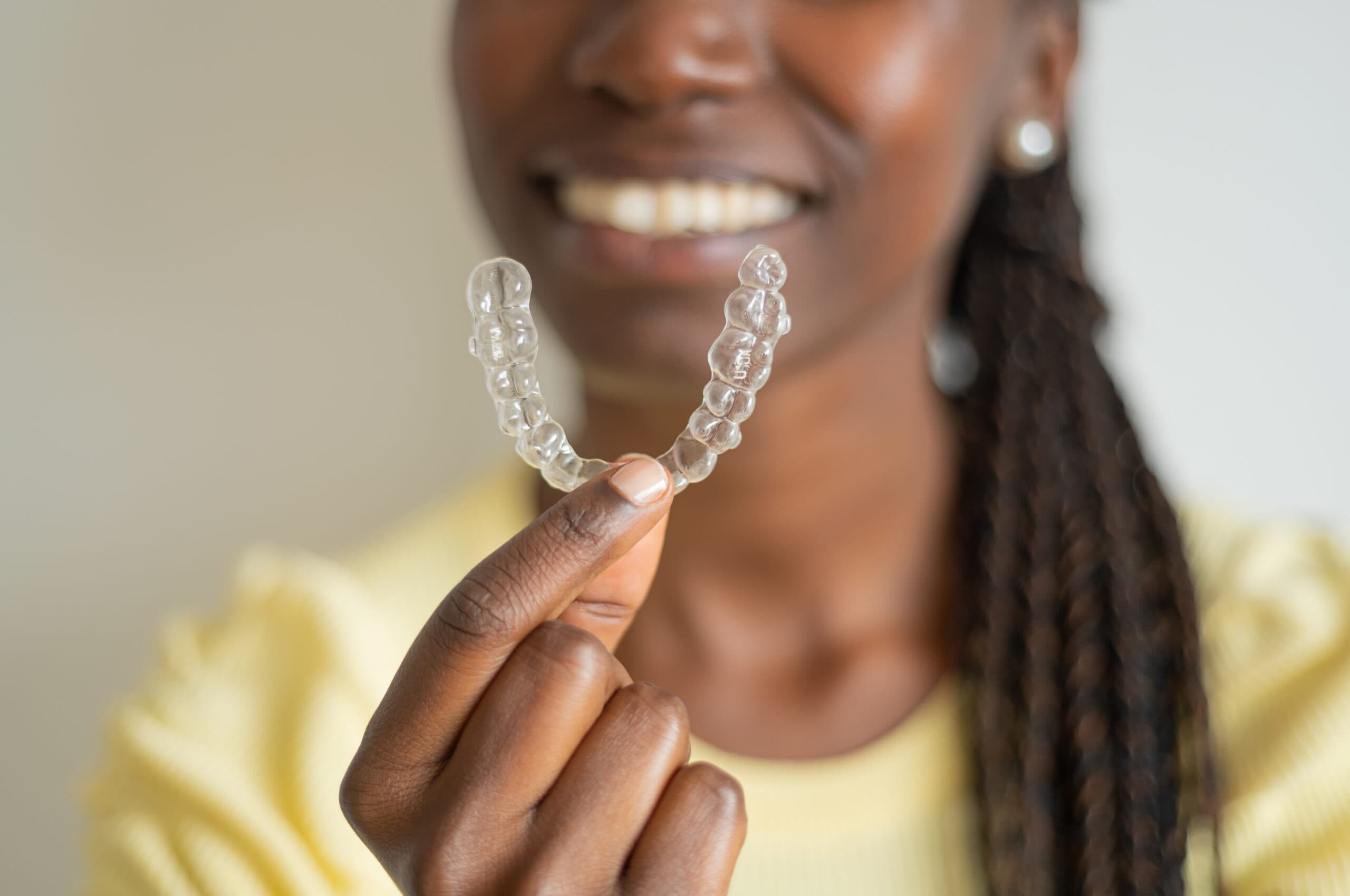
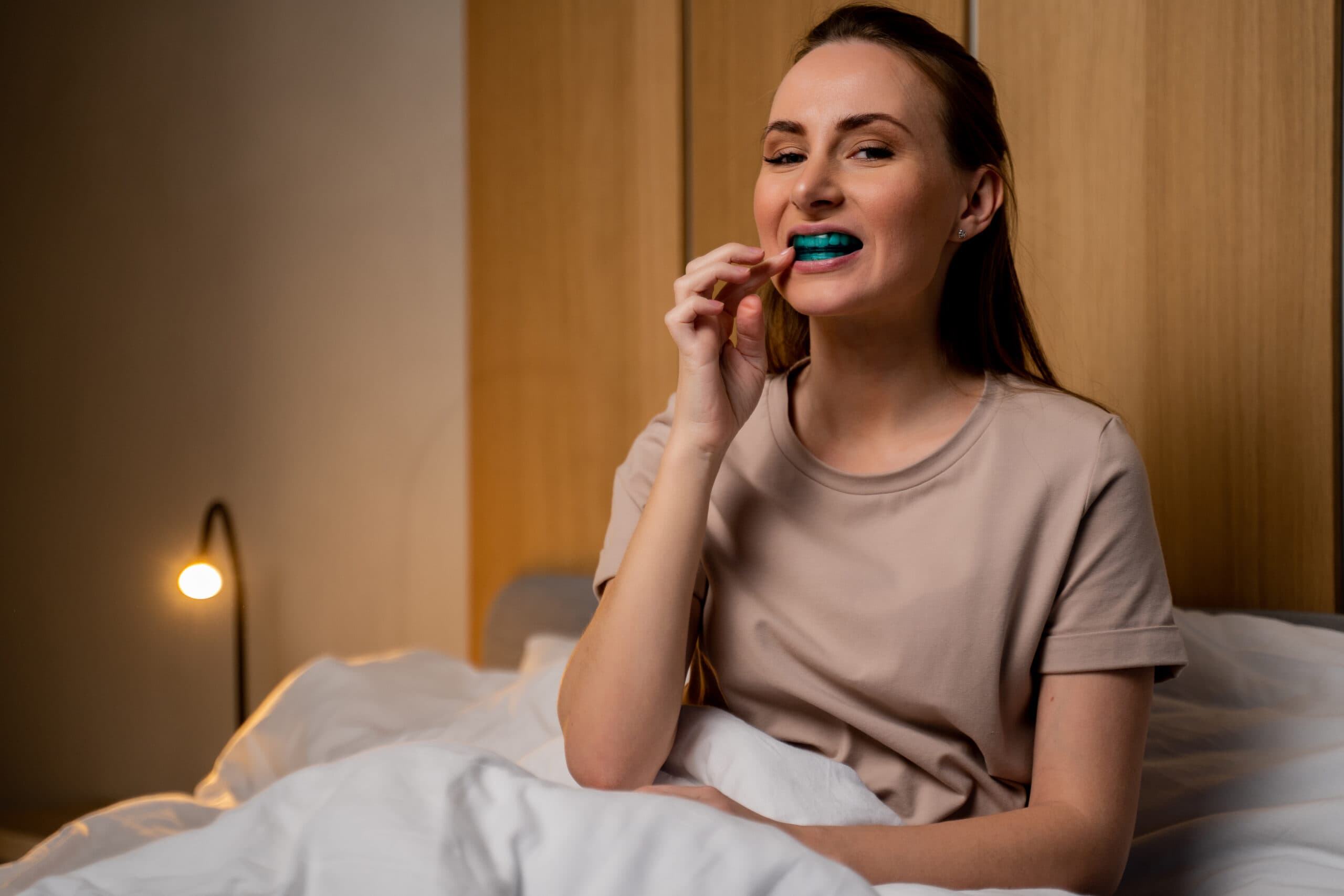
A custom-made night guard is often an important first step. It reliably protects your teeth from further damage – and at LifeDent, it’s precisely fitted using a high-precision 3D scan.
But at LifeDent, we rely on a combination of approaches. Depending on the cause and severity, these methods can help:
● Psychological support/coaching: to manage stress and change behavior
● Physiotherapy: for muscle tension in the jaw, neck, or shoulder area
● Mindfulness & relaxation training: to regulate inner pressure and tension
● Biofeedback: to consciously monitor and control nighttime muscle activity
● BTX therapy (Botulinum toxin): for targeted relaxation of overactive chewing muscles in severe cases
Because if you grind, you need more than a guard – you need a solution that protects and addresses the root causes.
Snoring – and what your dentist has to do with it
Snoring sounds harmless at first. Sometimes loud, sometimes quiet, a bit annoying – but dangerous? Few think about that. But many don’t know: behind the nighttime noise can be a medical problem – and we often spot it first.
At LifeDent, we watch for small but important clues:
- Is the lower jaw set far back?
- Does the throat look very narrow?
- Are the mucous membranes dry?
- Do the teeth show signs of clenching or grinding?
All this can indicate that the airways don’t have enough space during sleep. This is called obstructive sleep apnea.
During sleep, the lower jaw slips back slightly, muscles relax, airflow gets blocked – and the body reacts. It switches to alert mode and interrupts sleep.
To reflexively restore breathing, the body activates the chewing muscles – often you start clenching or grinding without realizing it. This muscle activity briefly stabilizes the airways – and breathing resumes.
These so-called micro-arousals usually go unnoticed but seriously disrupt natural sleep rhythm. You sleep shallowly and unrestfully – and over time that causes problems: daytime fatigue, concentration difficulties, or even health risks.
And here’s the good news: we can help.
What helps against snoring and breathing pauses?
With a mandibular advancement device – a custom-made anti-snoring mouthpiece that gently holds the lower jaw forward at night.
This keeps the throat open, makes breathing easier, reduces snoring – and finally brings restful sleep back.
This therapy is scientifically proven, and the mouthpiece is comfortable to wear. It works especially well for mild to moderate sleep apnea or for those who struggle with a CPAP mask.
Another advantage: your partner can finally sleep through the night again, too.
Why is your mouth so dry in the morning – and what does your dentist notice from that?
In the morning, your tongue sticks to the roof of your mouth, and the first sip of water feels like a lifesaver – sound familiar?
What seems like a harmless everyday moment can actually be a silent cry for help from your body. Because the mouth often reacts first when something’s out of balance.
Dry mucous membranes, a fuzzy feeling, burning tongue, unusual cavities, or small cracks at the corners of your mouth – these aren’t coincidences. They’re small warning signs that usually point to the same thing: too little saliva.
Saliva is essential
It’s the underestimated main player in your oral health. Saliva protects, regulates, and repairs. It neutralizes acids, remineralizes enamel, keeps germs in check, and keeps your mucous membranes supple. Without it, this finely tuned system falters.
The consequences?
● Teeth suddenly become vulnerable
● Gums get inflamed more easily
● Bad breath that won’t go away
● A burning sensation that bothers you when eating or speaking
What causes reduced saliva production
The reasons are often complex. Often it’s breathing habits like snoring or chronic mouth breathing that dry out the mucous membranes. Certain medications – like antidepressants, blood pressure drugs, or antihistamines – also affect saliva flow.
Underlying conditions such as acid reflux or autoimmune diseases can develop slowly and silently. And hormonal changes – for example during menopause or pregnancy – can sensitively change the mouth area.
A dry mouth isn’t a cause for panic, but it’s a good reason to take a closer look.
At LifeDent, we don’t just focus on visible tooth damage, but also on subtle changes throughout the mouth. Because these can give valuable clues about health changes.
In a personal conversation, we’ll figure out possible causes and what steps make sense.
That might include custom-made splints, targeted care recommendations, saliva substitutes, or referrals to ENT or general medicine specialists.