
Biological Dentistry in Lucerne
Biological dentistry views oral health in the context of the whole body. At our practice in Lucerne we use metal-free materials, gentle procedures and avoid potentially harmful substances.
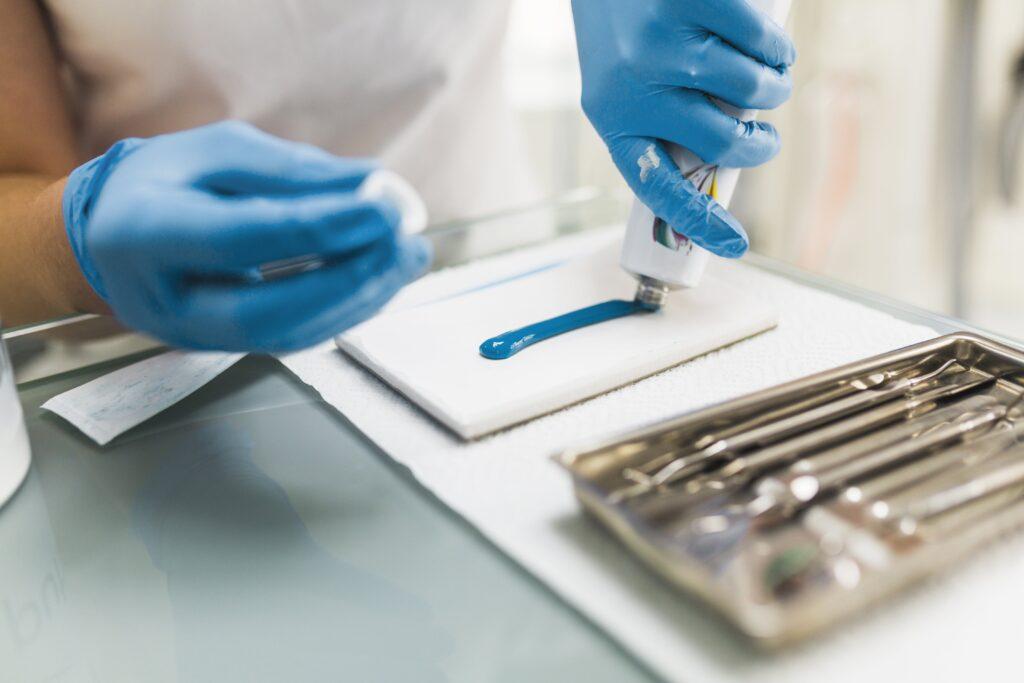
Biological Dentistry in Lucerne
We advise you in Lucerne on material compatibility, ceramic implants and the most biocompatible treatment possible – tailored to your individual needs.
- Metal-free, biocompatible ceramic restorations
- Professional amalgam removal with protective measures
- Ceramic implants as an alternative to titanium
- Holistic consultation and material compatibility testing
What is biological dentistry?
Biological dentistry refers to holistic approaches in dentistry that emphasise natural healing and the use of biocompatible materials to promote oral health. As a rule, this also includes avoiding metals in the oral cavity.
Metal and foreign materials are avoided wherever possible. Another essential aspect is the search for previously undetected inflammation in the jaw (focus search), as such foci can place a strain on the body.
Methods and materials
In everyday biological dentistry, the methods used include the following:
- Gentle amalgam removal and replacement with metal-free fillings
- Biocompatible filling materials, e.g. composite or ceramic
- Ceramic implants as a metal-free alternative to titanium implants
- PRGF (autologous blood) in surgical procedures
- Holistic diagnostics and therapy approaches, including the search for inflammatory foci in the jaw
- Promoting a healthy diet and lifestyle
Root canal treatment in biological dentistry
In biological dentistry, root canal treatment (endodontics) aims at the maximum disinfection of the tooth interior (pulp) with effective yet gentle materials. We use only biocompatible materials, for example biologically compatible silicate-based root filling materials and fillings without potentially allergenic gutta-percha (rubber).
We reject the routine extraction of root-treated teeth. In individual cases, however, extraction may be the better option for the patient. For difficult cases, microscopic root canal treatment is available.
How treatment works
- 1Consultation and medical historyWe discuss your complaints, your medical history, any known intolerances and your wishes regarding materials.
- 2Examination and diagnosisWe examine your teeth, gums and existing fillings and crowns. If needed, 3D X-ray diagnostics help to detect hidden inflammation in the jaw.
- 3Treatment planYou receive a treatment plan with the planned steps and materials, together with a cost estimate.
- 4TreatmentTreatment is carried out step by step with biocompatible materials, for example when replacing old fillings or placing an implant.
Who is biological dentistry suitable for?
- Patients who want to have old amalgam fillings replaced
- People with known intolerances or allergies to metals or other materials
- Anyone who wants fillings, prosthetics or implants that are as metal-free as possible
- People who value a holistic view of oral and general health
Frequently asked questions about biological dentistry
Answers on materials, root canal treatment, costs and the process.
What is the difference between biological and conventional dentistry?
Biological dentistry sees oral health as part of overall health. It relies on biocompatible materials, largely avoids metals and foreign materials and specifically looks for undetected inflammation in the jaw. The dental treatments themselves, such as fillings, root canal treatment or implants, are the same, but are carried out with well-tolerated materials.
Which materials are used in biological dentistry?
We use biocompatible materials that are as metal-free as possible: tooth-coloured fillings made of composite or ceramic, ceramic implants instead of titanium, and silicate-based root filling materials without gutta-percha for root canal treatment. In surgical procedures, PRGF from the patient's own blood is used.
Do root-treated teeth have to be extracted?
No, we reject the routine extraction of root-treated teeth. The aim is to preserve the tooth through thorough disinfection and biocompatible root filling materials. In individual cases, however, extraction can be the better solution for the patient; we discuss this together after the examination.
What is PRGF?
PRGF stands for «Plasma Rich in Growth Factors». A plasma containing the body's own growth factors is obtained from a small amount of the patient's blood. It is used in surgical procedures, such as implant placement or tooth extraction, to support wound healing. Because it comes from your own blood, it contains no foreign substances.
Does health insurance cover biological dentistry?
Basic health insurance generally does not cover dental treatment. Whether supplementary dental insurance pays part of the cost depends on your policy. Costs depend on the scope of treatment and the materials chosen; you receive a cost estimate before treatment begins.
Where does LifeDent offer biological dentistry?
At our practices in Lucerne and Volketswil. At the first consultation we find out which fillings, crowns or implants you already have, which materials are suitable and which steps make sense. You can request an appointment online.


