3D Printing in Dentistry: The Future of Dental Restorations – Faster, More Precise, More Individual
Written by LifeDent Editorial Team
Sometimes progress becomes visible when things suddenly become much easier. Dental restorations, for example, are already being created today through contactless scanning, precise digital planning, and manufacturing with the help of 3D printing. In this blog article, we take a closer look at what dental restorations from a 3D printer can really do.
What does 3D printing in dentistry actually mean?
3D printing in dentistry is part of a fully digital manufacturing workflow.
Instead of taking a traditional impression using trays and silicone material, an intraoral scanner is often used today. The scanner is guided contactlessly over the teeth and captures their surfaces with millimetre precision. For patients, this is usually far more comfortable than conventional impressions, where impression material has to harden in the mouth.
From this scan data, a digital 3D model of the entire dentition is created – a precise digital copy. This digital model forms the basis for:
- Digital planning (CAD – Computer Aided Design), where the shape, size, and function of the dental restoration are designed on the computer
- Subsequent manufacturing (CAM – Computer Aided Manufacturing), where the planned design is physically produced
The dental restoration is either manufactured additively, built layer by layer using 3D printing, or subtractively, by milling it out of a solid block of material.
The key difference:
While 3D printing uses only the material that is actually required, milling follows the principle of “removing material until it fits” – resulting in significantly more material waste.
Why do many patients find the digital approach more comfortable?
The greatest advantage is not the technology itself – but the experience.
- No gag reflex caused by impression materials
- No long waiting times between multiple adjustment appointments
- Fewer corrections, as the fit is highly accurate from the start
Digital impressions are not only faster, but also reproducible.
This means the recorded data can be reused later – for repairs, adjustments, or additional dental restorations. In many cases, a new impression is no longer necessary.
For patients with a strong gag reflex, a sensitive palate, or longer treatment durations, this represents a noticeable improvement.
Where is 3D printing used in dentistry?
3D printing is no longer limited to models or surgical guides. Its range of applications has expanded significantly:
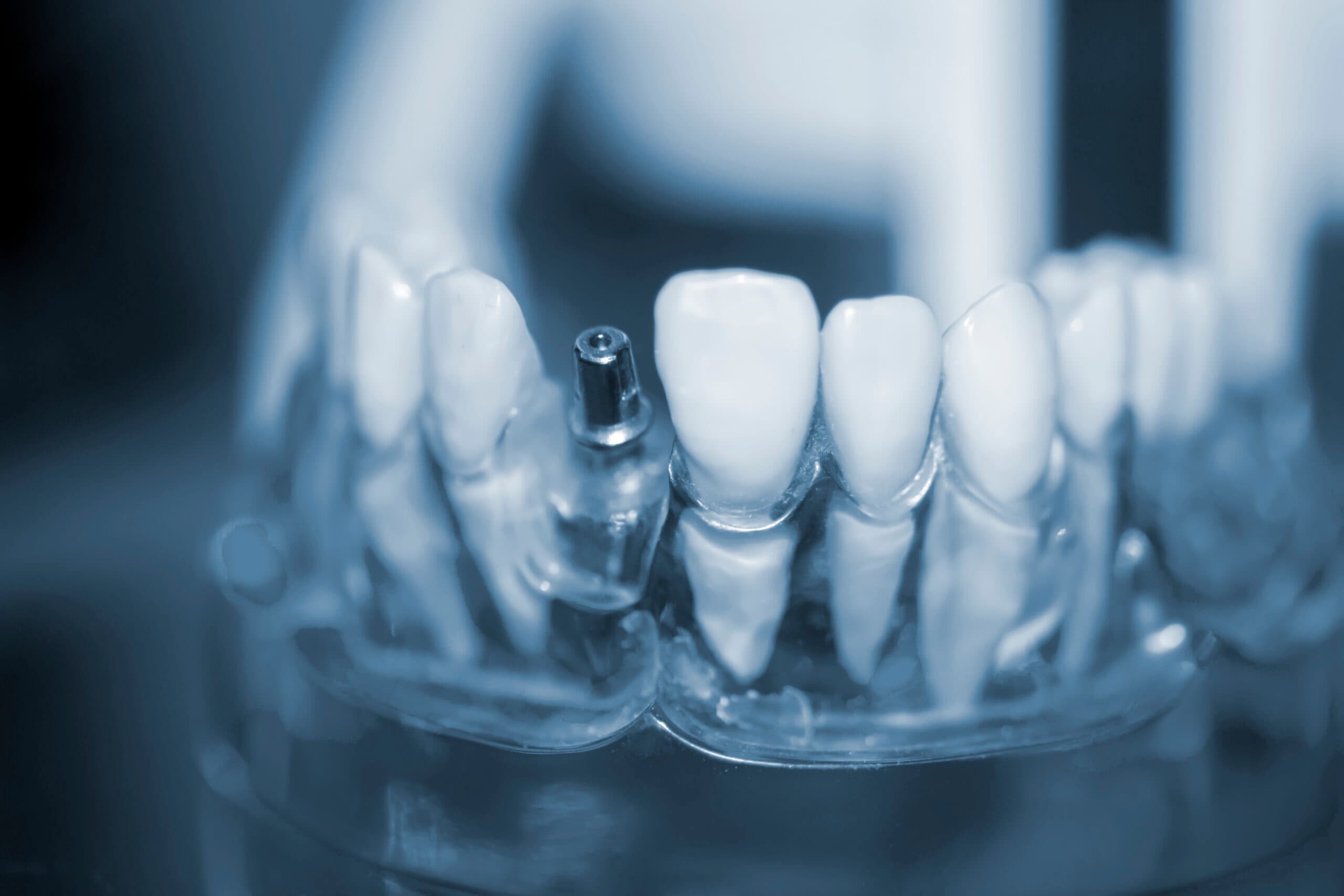
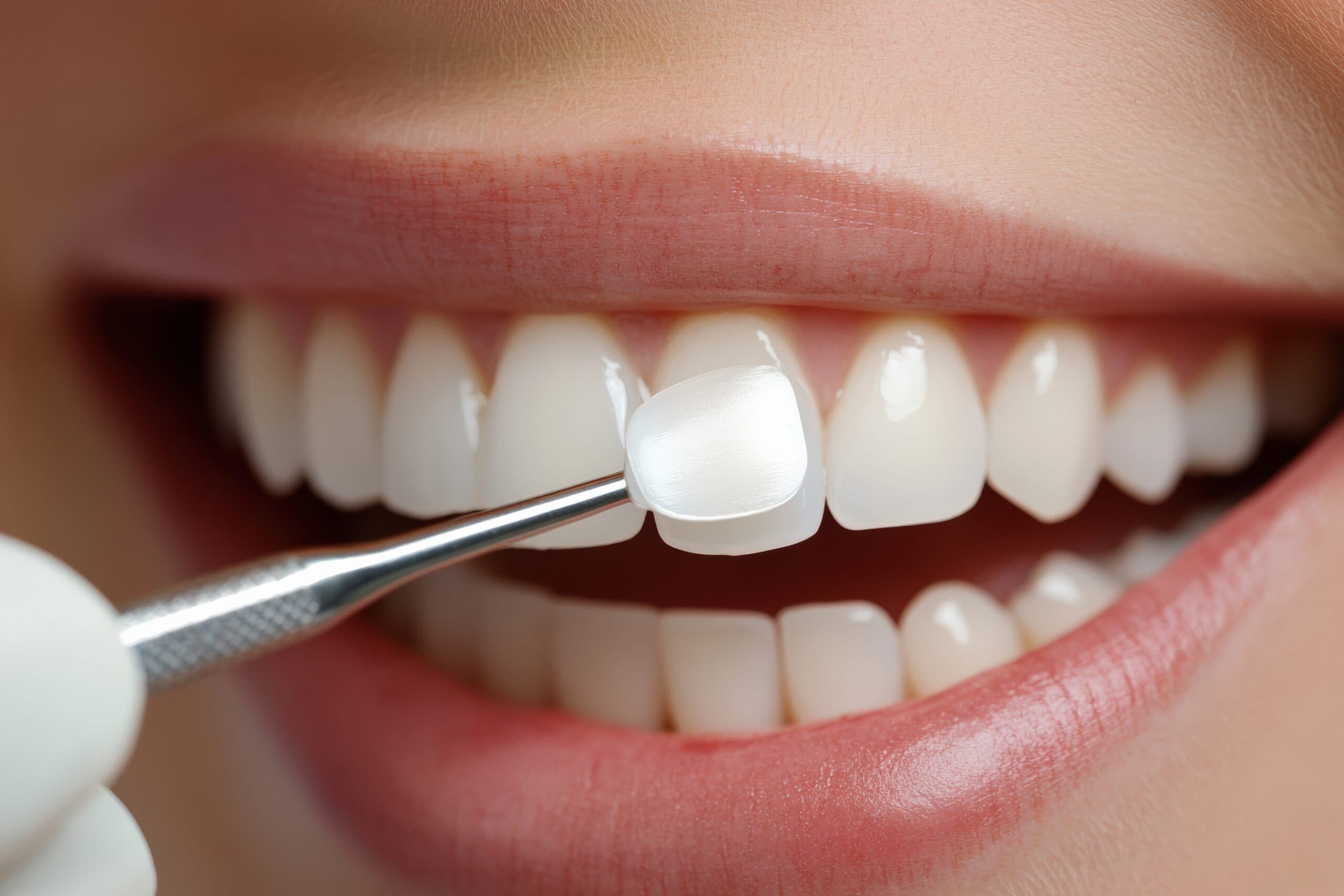
Crowns and bridges
They are individually planned and precisely adapted to the patient’s tooth shape. Digital planning also allows complex tooth geometries to be implemented accurately.
Partial and full dentures
Because dentures can often be printed as a single piece, they are lighter, more stable, and fit more evenly. This can improve wearing comfort and reduce pressure points.
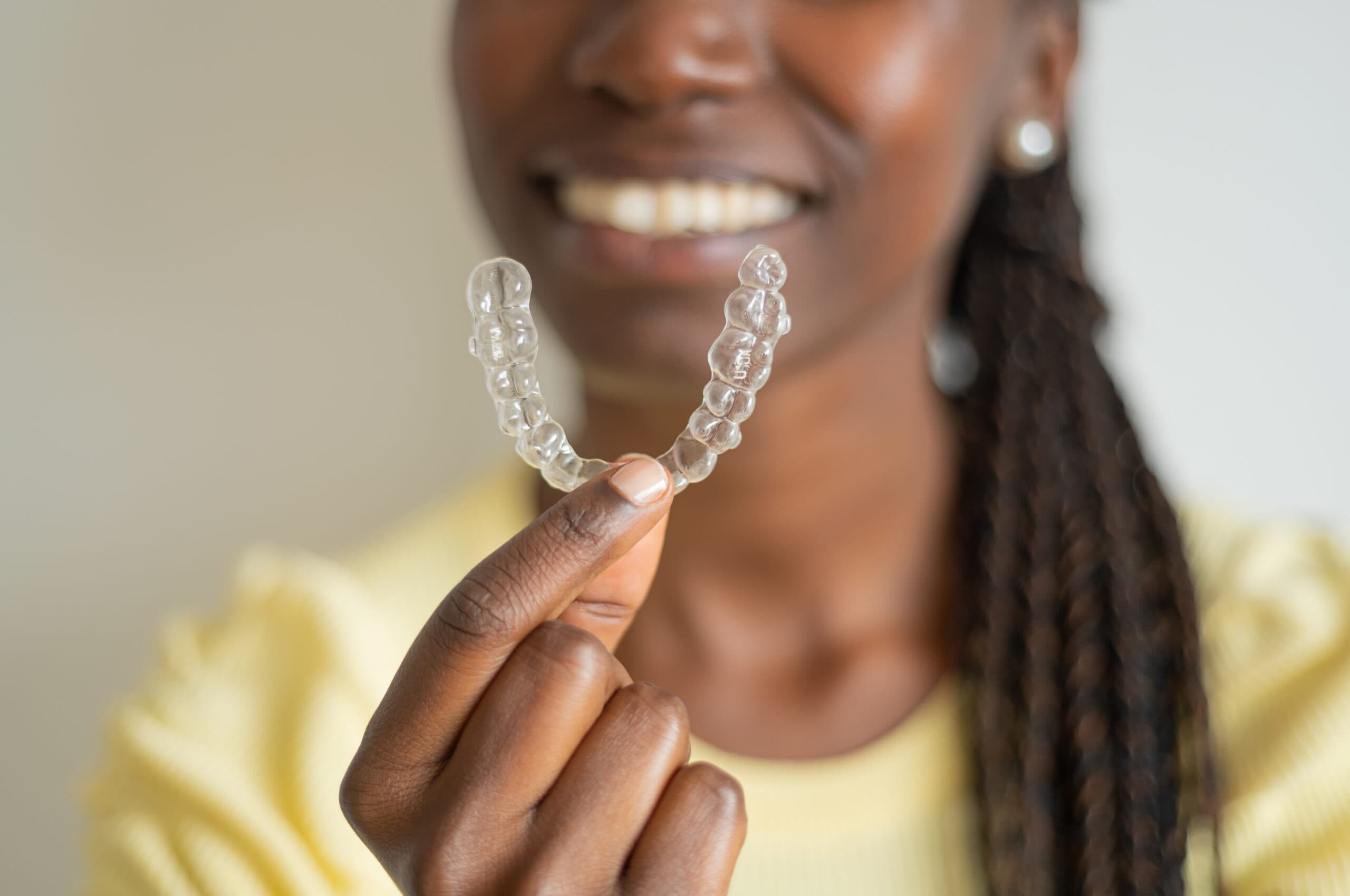
Bite splints and aligners
3D printing is used to manufacture individually customised splints. These are based on digital models of the dental arch and produced to ensure an exact fit – essential for comfort, functionality, and, in the case of aligners, controlled tooth movement.
Implant surgical guides
3D printing is used to produce drilling guides. These guides help position implants precisely, increasing both the accuracy and safety of the procedure.
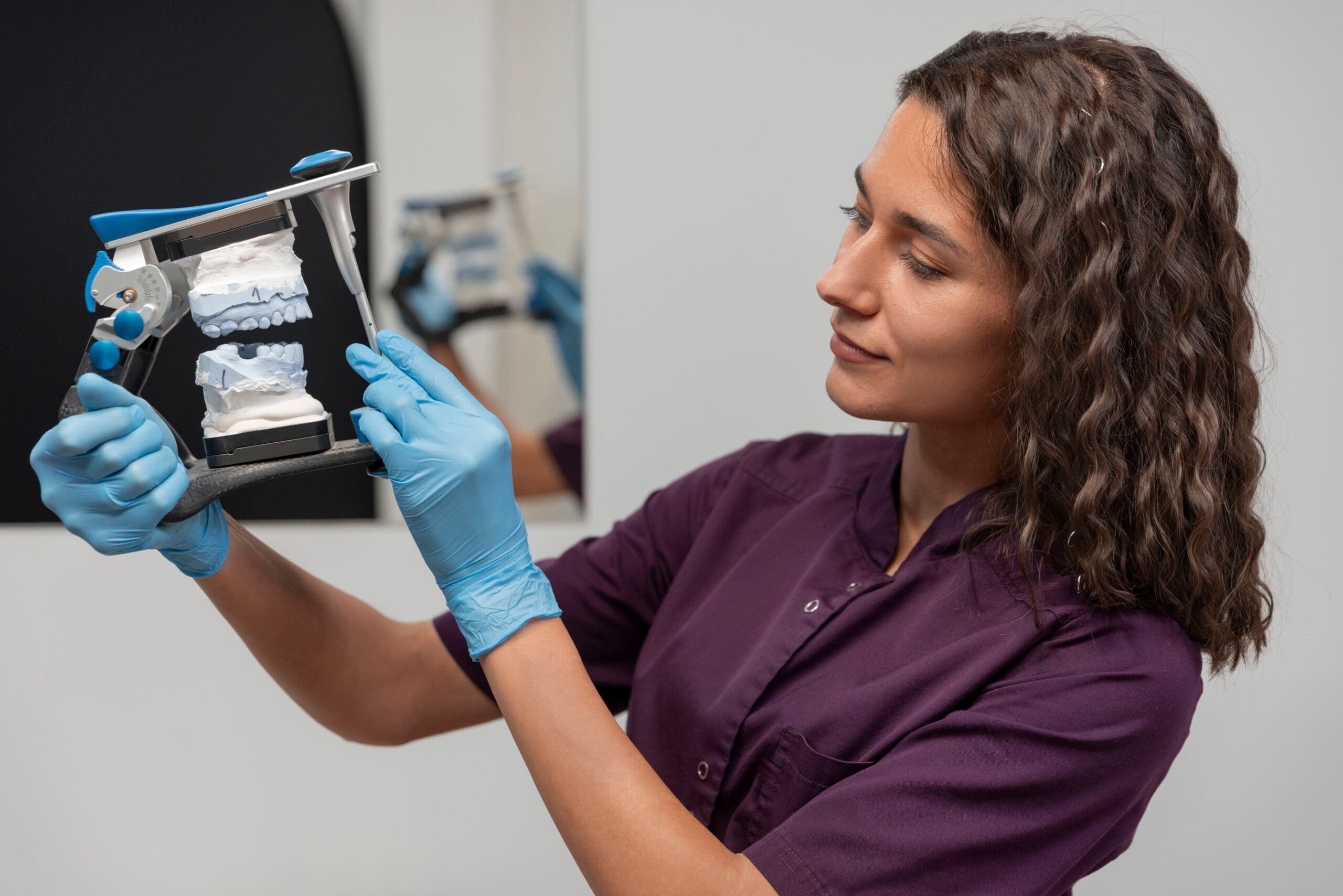
Orthodontic and diagnostic models
Here, 3D printing is used to create dental models that support treatment planning, progress monitoring, and clear explanations of treatment steps. They are quickly available and can be reproduced at any time.
Which materials are used in 3D printing?
Material selection is crucial – especially for long-term dental restorations.
Currently, 3D printing mainly uses:
- Biocompatible high-performance polymers
- Durable resins with high dimensional stability
These materials are:
- Well tolerated in the oral environment
- Highly precise to process
- Sufficiently durable for many dental applications
At the same time, development continues. Increasingly, the following are being introduced:
- Hybrid materials with a high ceramic content (e.g. for crowns)
- Ongoing research into ceramic 3D printing, particularly with zirconium dioxide
Ceramic 3D printing, in particular, is considered a potential next evolutionary step and could, in the long term, complement established CNC milling technology.
3D Printing vs. Milling
| 3D Printing | Milling | |
|---|---|---|
| Material consumption | Very low | High material removal |
| Design freedom | Very high | Limited |
| Sustainability | High | Lower |
| Material variety | Increasing | Well established |
Whether 3D printing is used always depends on the individual clinical situation, functional requirements, and the chosen material. In practice, 3D printing and milling technologies complement each other.
FAQ
Is 3D-printed dental restorations safe?
Yes. The materials used are biocompatible and approved for medical use.
How long does 3D-printed dental restorations last?
With proper care, durability is comparable to conventionally manufactured dental restorations.
Is 3D printing only suitable for simple treatments?
No. Even complex prosthetic solutions benefit from digital planning and manufacturing.
Is 3D printing more sustainable?
Yes. Compared to milling, significantly less material waste is generated.