
Implantology & Oral Surgery in Neunkirch
Modern implantology and oral surgery for sustainable dental health and a natural smile.
Dental implants at our Lifedent practices in Neunkirch
Dental problems and gaps can be not only physically but also psychologically stressful. The constant thoughts while eating or speaking and the potential secondary diseases can significantly affect your well-being. Modern dentistry at our Lifedent practices in Neunkirch offers an effective solution: dental implants. These can not only fix dental problems but also give you back a piece of your quality of life that you may have been missing for a long time. We would like to inform you comprehensively about all aspects of dental implants. We will clear up myths and educate you about costs and procedures.
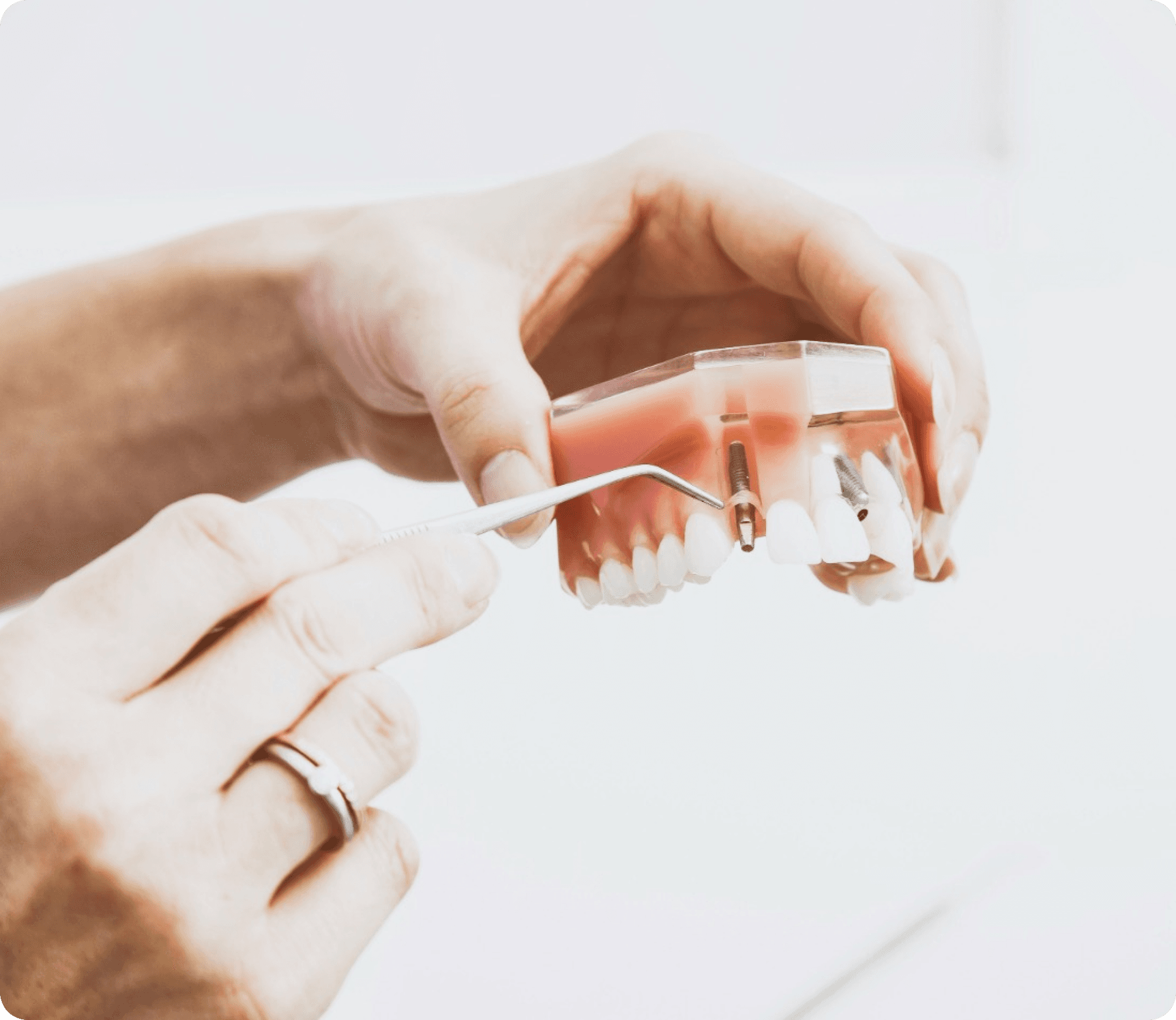
What are dental implants?
Dental implants are artificial tooth roots that are inserted into the jawbone to replace missing teeth. They typically consist of titanium or other biocompatible materials such as ceramic and serve as a stable base for dental prosthetics. Dental implants can offer you a permanent solution for tooth loss by functionally and aesthetically mimicking natural teeth. They can help restore your smile as well as normal chewing and speaking function and reduce the risk of bone loss in the jaw.
When are dental implants used?
The ideal time for dental implants varies depending on individual circumstances and cannot be determined universally. However, it is important to know that waiting too long increases the risk of bone loss, as the jawbone can recede at the site of the tooth gap without the pressure from chewing. This means dental implants are always an option when a tooth can no longer be saved or when a tooth gap has existed for a longer period.
What does the typical procedure for dental implants look like?
Consultation
Open questions are answered, fears and concerns are taken seriously by us.
Pre-examinations
Teeth, jaw condition and jawbone are examined.
Pre-treatments
Cavities and inflamed gums are treated, bone augmentation is performed if necessary.
Implant placement
The dental implant is inserted into the jawbone under local anesthesia.
New smile
After implantation, you receive a temporary prosthesis and can go home.
Consultation
Before the implantation of new teeth, you can arrange a non-binding consultation at any of our Lifedent practices at any time. We will explain the implantation procedure in detail, answer all your questions and address your concerns and fears. If you decide on a dental implant, we will conduct thorough pre-examinations.
What pre-examinations are necessary?
During the pre-examinations, we examine your teeth, the condition of your jaw and analyze the structure of your jawbone using precise X-rays so that we can create the ideal starting situation for your dental implant.
Why are pre-treatments necessary?
It may be necessary to treat cavities, inflamed gums or tooth roots before the actual implantation. In some cases, bone augmentation may also be required. All these pre-treatments create the ideal conditions for your dental implant.
How is the dental implant placed?
After the optimal basis for your dental implant has been created, we proceed to the planning and placement of the dental implant. The actual implantation of the fixed prosthesis is performed under local anesthesia. General anesthesia is not necessary for this procedure but can be considered for anxious patients. Through a small incision, the jawbone is exposed and the implant screw is precisely inserted into the jaw and the temporary prosthesis is attached, so you can go home with a smile right after the procedure.
Is the placement of dental implants painful?
We can reassure you, your well-being is our top priority, and we want to make your experience as pleasant as possible. The procedure is absolutely painless in most cases and is performed under local anesthesia. If you wish, we also offer the option of general anesthesia. Our experienced oral surgeons use gentle and scar-minimizing techniques.
What should you consider after dental implant placement?
After your dental implant has been placed, it is important to get sufficient rest and avoid heavy exertion and sports. If you notice slight bleeding, you can stop it with a swab and please contact your Lifedent practice at any time if you have persistent problems. We are here for you. To reduce any swelling, you can use cool packs. In the first days, make sure to eat only soft foods. When brushing your teeth, you should skip the implantation area to avoid injuries or irritation. This also applies to tea, coffee and alcohol. With these simple measures, you support successful healing without complications.
What material can a dental implant be made of?
Dental implants can be made of two main materials: titanium and ceramic. Titanium, as a robust metal, is a popular choice for dental implants. Its excellent properties such as extreme durability, corrosion resistance and biocompatibility make it a reliable option. As a rule, titanium is well accepted by our bodies, which is crucial for successful implant healing. Ceramic is another popular choice for dental implants. They impress with their natural aesthetics and additionally offer high biocompatibility and durability. The decision for the right implant depends on various factors, including your individual needs, aesthetic preferences and possible allergies. We are happy to support and advise you on implant selection.
What do dental implants cost at our Lifedent practices in Neunkirch?
At our Lifedent dental practices in Neunkirch, your well-being and satisfaction come first. In addition to first-class treatment, we place great importance on cost transparency. Please note that costs may vary depending on the individual case, but we are happy to provide you with a detailed cost overview after a thorough examination.
Here are some examples of costs for common treatments:
- Single tooth implant without bone augmentation with ceramic crown: CHF 3,500 to 5,500
- Two implants with two crowns: CHF 8,000 to 9,000
- Bone augmentation or sinus lift: CHF 700 to 3,000
For more information about costs and payment options as well as a personal consultation, we are happy to assist you.
Book a non-binding consultationWhat alternatives to dental implants can we offer?
Of course, alternative treatment options to dental implants are also available to you at our practices. These include bridges, partial and full dentures as well as orthodontic options.
Our experienced specialists are happy to take the time to advise you in detail. Together we go through the various options and find the best solution for your needs.
Bridges are a proven method for bridging gaps. Artificial teeth are attached to the adjacent teeth to close the gap.
Partial and full dentures can be a solution for patients with multiple missing teeth or a completely edentulous jaw. Depending on the individual situation, either partial dentures are used when some natural teeth are still present, or full dentures that cover the entire dental arch.
Sometimes orthodontic treatment can also be considered to correct misaligned teeth and achieve realignment of the dental rows. In some cases, this can reduce the need for implants.
How long does it take for a dental implant to heal?
The healing time of a dental implant varies from person to person, but in general it is about 4 to 6 months in the upper jaw and 3 to 4 months in the lower jaw. During this time, the bone tissue grows around the implant screw and forms a solid bond that stabilizes the implant.
Guided Surgery
Guided Surgery in dentistry refers to a procedure in which implants are precisely positioned using 3D-printed or milled templates.
These templates serve as guidance or navigation instruments during the surgical procedure to ensure accurate placement of the implants. This leads to improved accuracy, less invasiveness and consequently better long-term results.
Benefits:
- Precise implant positioning
- Less invasiveness and tissue trauma
- Planning reliability and predictability
- Shorter operation times
- Improved postoperative healing and patient comfort
Microsurgery
Small incisions, fast healing, no pain.
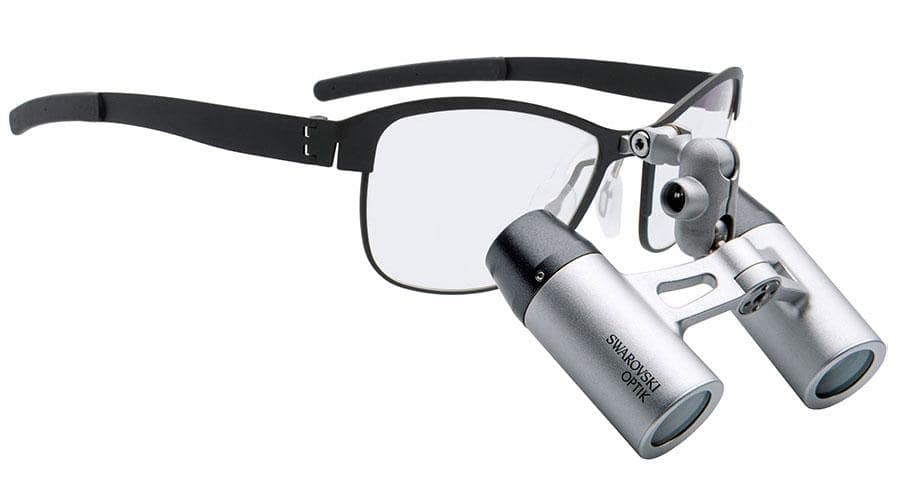
Microsurgery in dentistry offers improved visibility, precision and gentler treatment options compared to conventional surgery. This allows smaller access to the surgical area, leading to faster healing, less postoperative swelling and fewer complaints for patients.
Treatments are performed with 6 to 24 times magnification aids (loupe glasses, surgical microscope), depending on the type of procedure.
Micro-sutures are used for wound closure that are difficult to see with the naked eye.


Give your smile the attention it deserves!
Book your appointment easily online. Trust in state-of-the-art technology, dedicated professionals and personal care.
Book appointment in Neunkirch